Permission to Build a Bank
“Any sufficiently advanced technology is indistinguishable from magic.” — Arthur C. Clarke
Today Turkey’s banking regulator, the BDDK, granted permission to establish ColendiBank—a digital deposit bank, to be founded with two billion lira of capital and the ambition of competing in the global league of digital banks. After seven years of building around banks, we have been given permission to build one. This is establishment approval, not yet an operating license—the beginning of the hardest stretch of work, not the end of it.
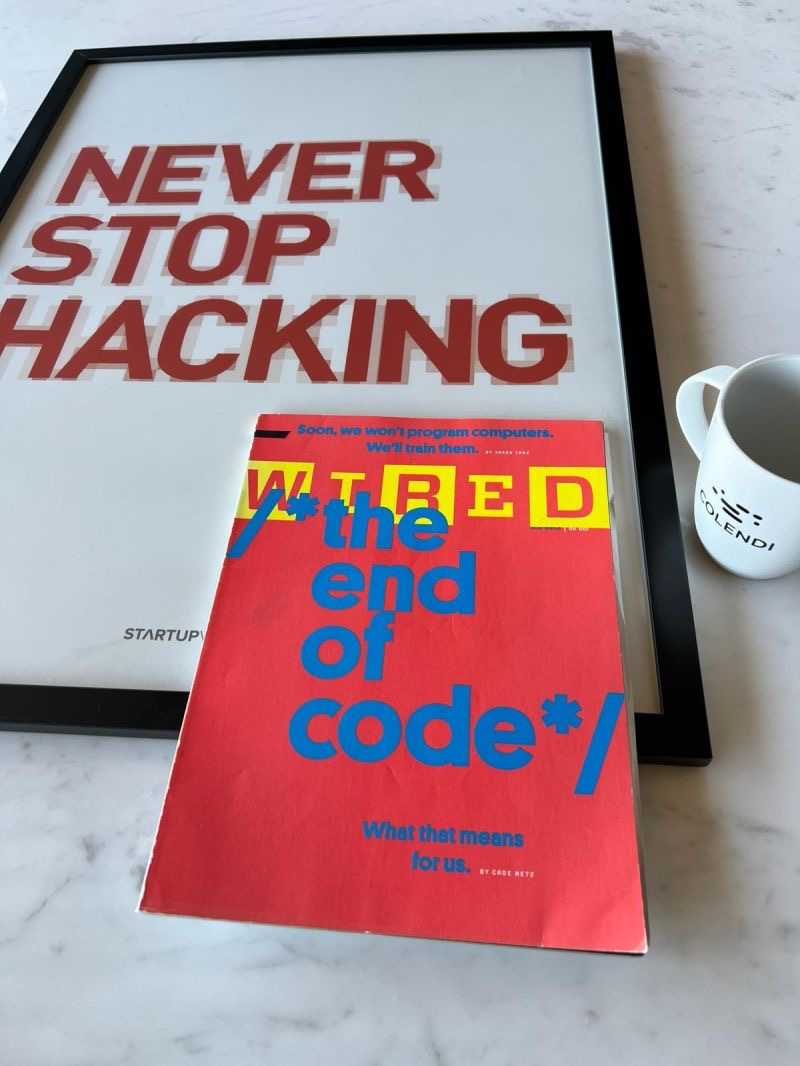
It is worth remembering where this started. When we founded Colendi in 2017, the question was narrow and stubborn: how do you give a person a fair credit decision when the system has never written them a credit file? We answered it with alternative data, machine learning, and an identity a person could carry. But every honest answer to that question runs into the same wall—the decision is only half the system. To act on it you need the other half: accounts, deposits, settlement, the regulated core where money is actually held and moved. We acquired a piece of that core last year, when SETL became part of Colendi. Today we are permitted to build the rest.
We have said for years that banking is necessary and banks are not—that the function matters and the incumbent does not. That is still true, and it is exactly why the license matters. You cannot rebuild banking as software from outside the perimeter forever; at some point, to own the layer where value is held and trust is regulated, you have to stand inside it, accountable to the same rules as everyone else. A charter is not a trophy. It is a responsibility, and a permission to be judged by a harder standard.
The bank we intend to build is not a traditional one with an app bolted on. It is designed to be intelligent from the first line—underwriting, service, risk, and segmentation built around models rather than branches, with a person accountable for every automated decision. Clarke’s line is the promise and the warning at once: a bank that decides through machines can feel like magic to a customer, and our whole job is to keep that magic legible, fair, and answerable to someone. Advanced technology should be indistinguishable from magic in how it feels, and completely distinguishable from it in how it is governed.
There is a longer arc here I would rather not flatten into a press release. The distance from a credit score for the invisible to a bank of our own is the distance this whole body of writing keeps trying to describe: money becoming programmable, trust migrating into software, and the institutions that matter becoming the ones that control the layer where it all settles. Permission to build a bank is a milestone on that road, not the destination.
To the team that carried this for years, and to a regulator willing to let something new be built under real rules: thank you. Now the harder part begins.